THE COLOR OF WHERE WE ARE NOT
Solo Exhibition
Oct. 05 - 28, 2024
Carnation Contemporary
Portland, OR
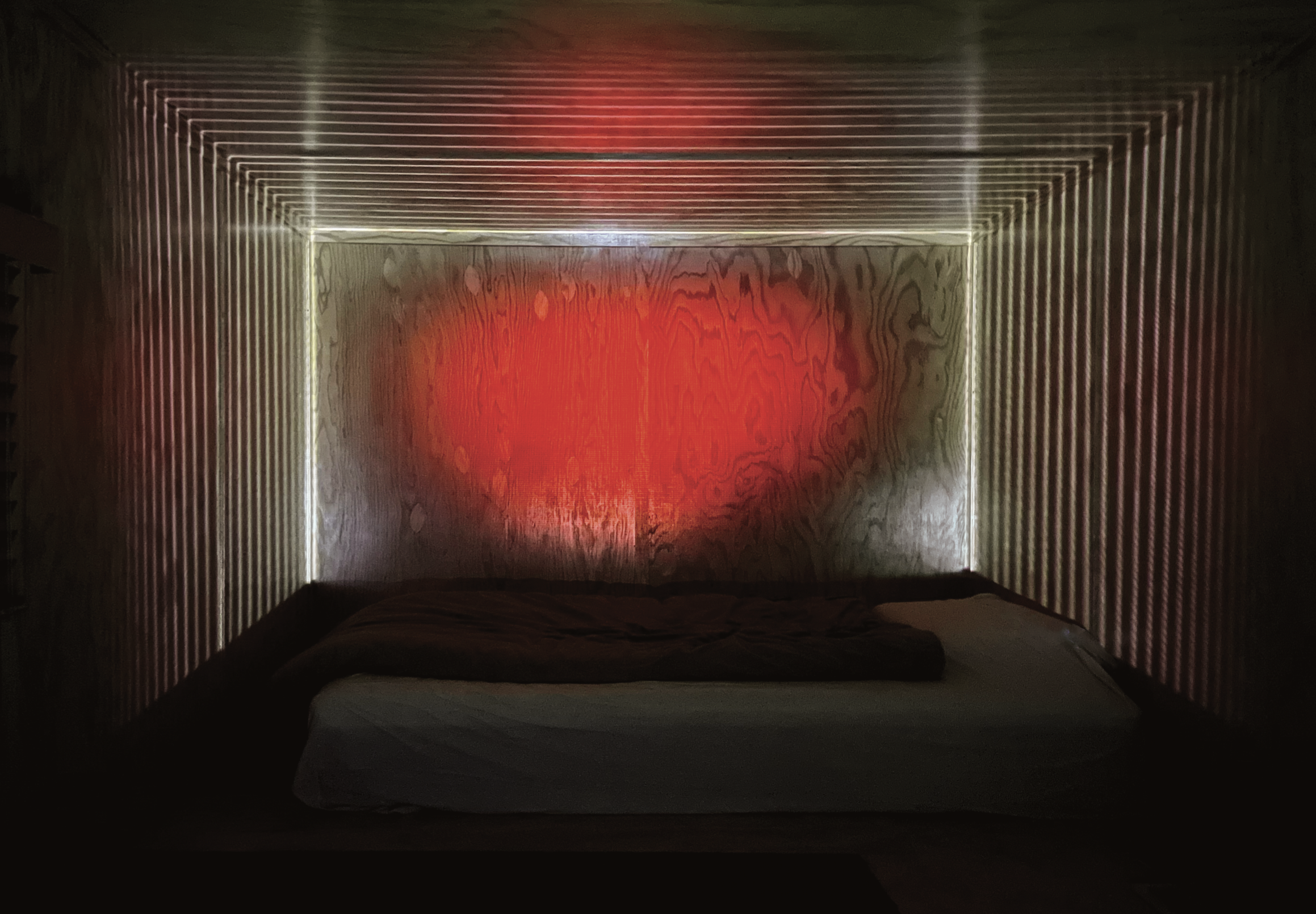
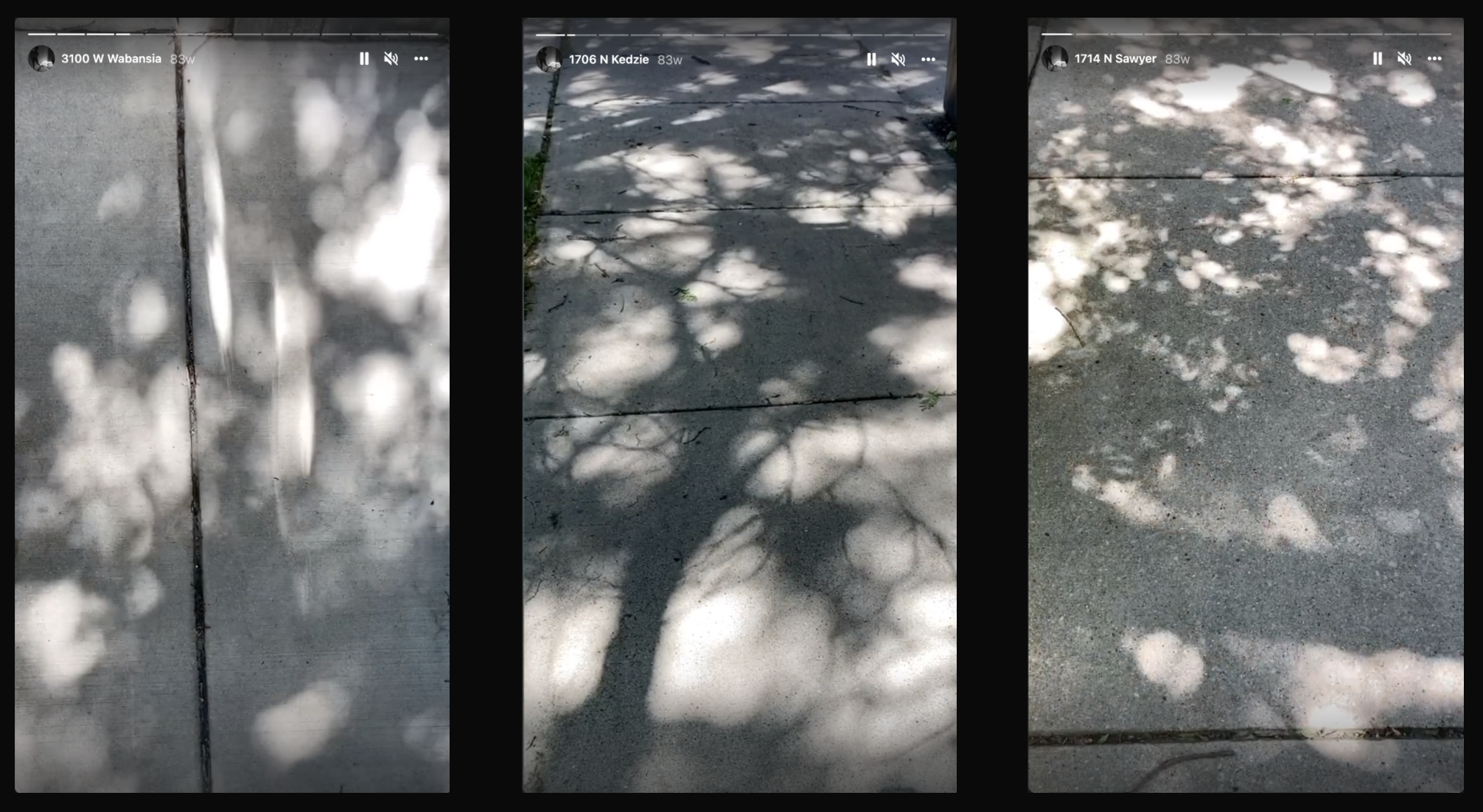
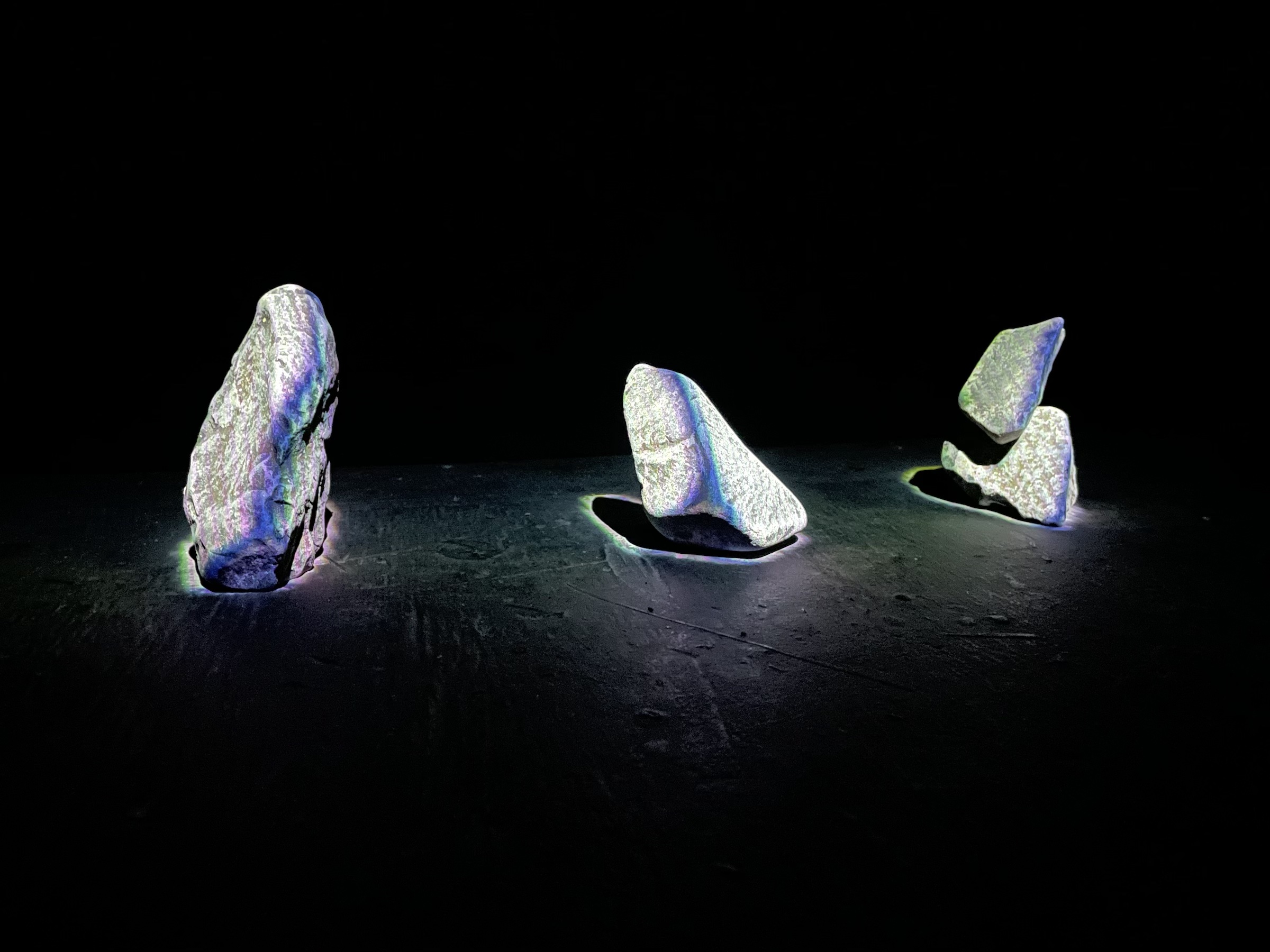
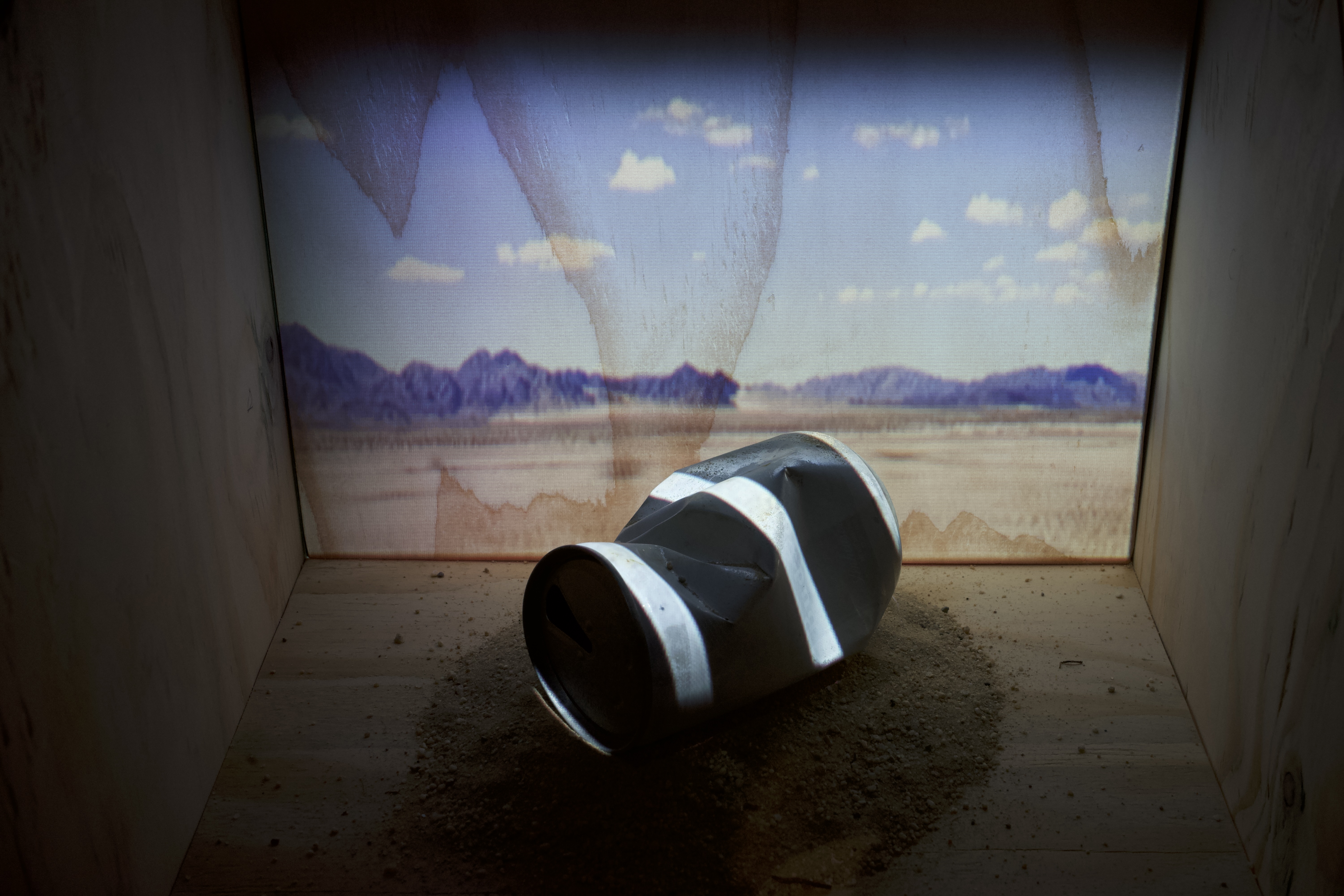
A collection of immersive perceptual experiences: dark environments housing abstract animations, projection-mapping, found and made objects, video, and sound.
Included Works:

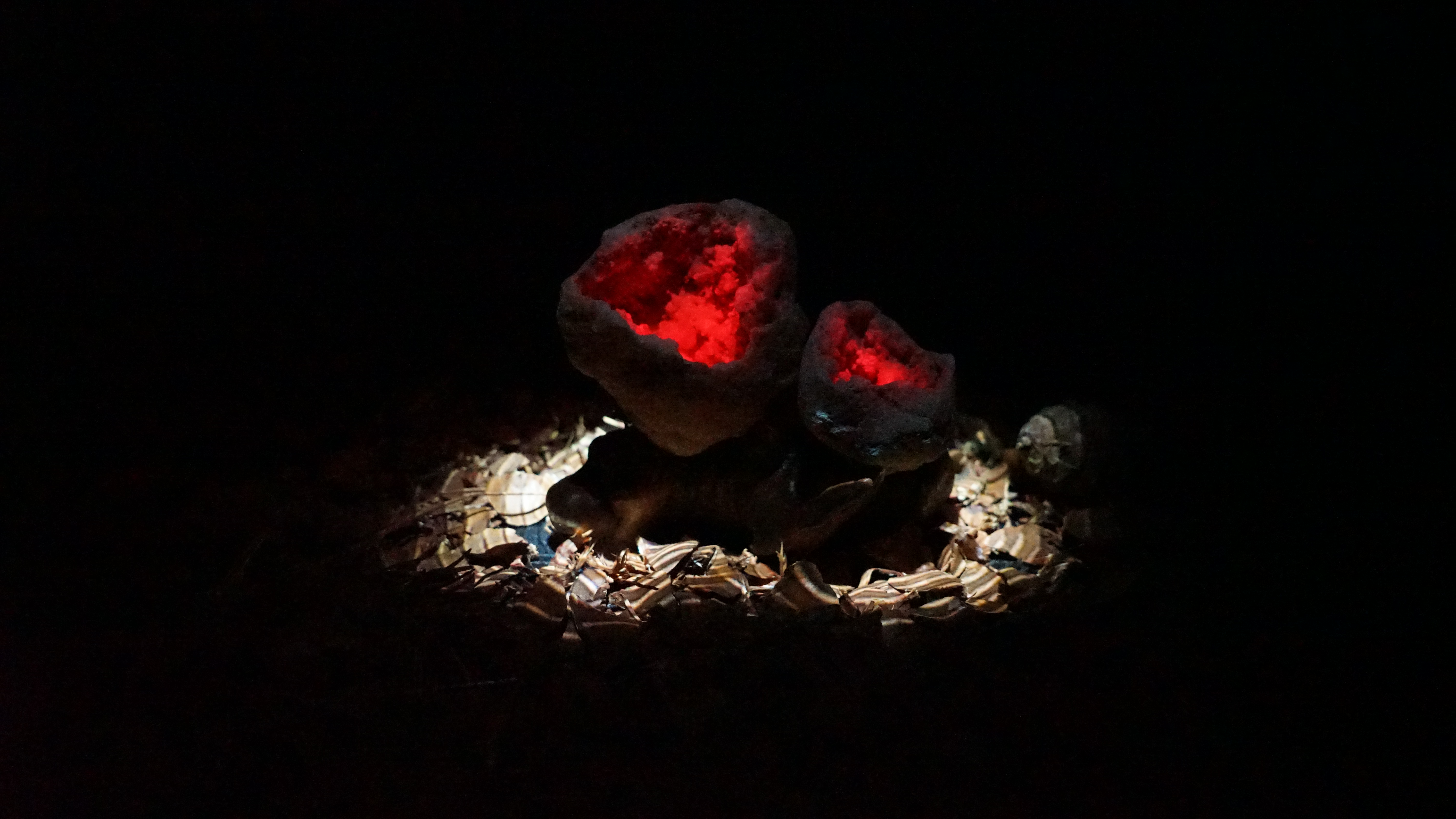
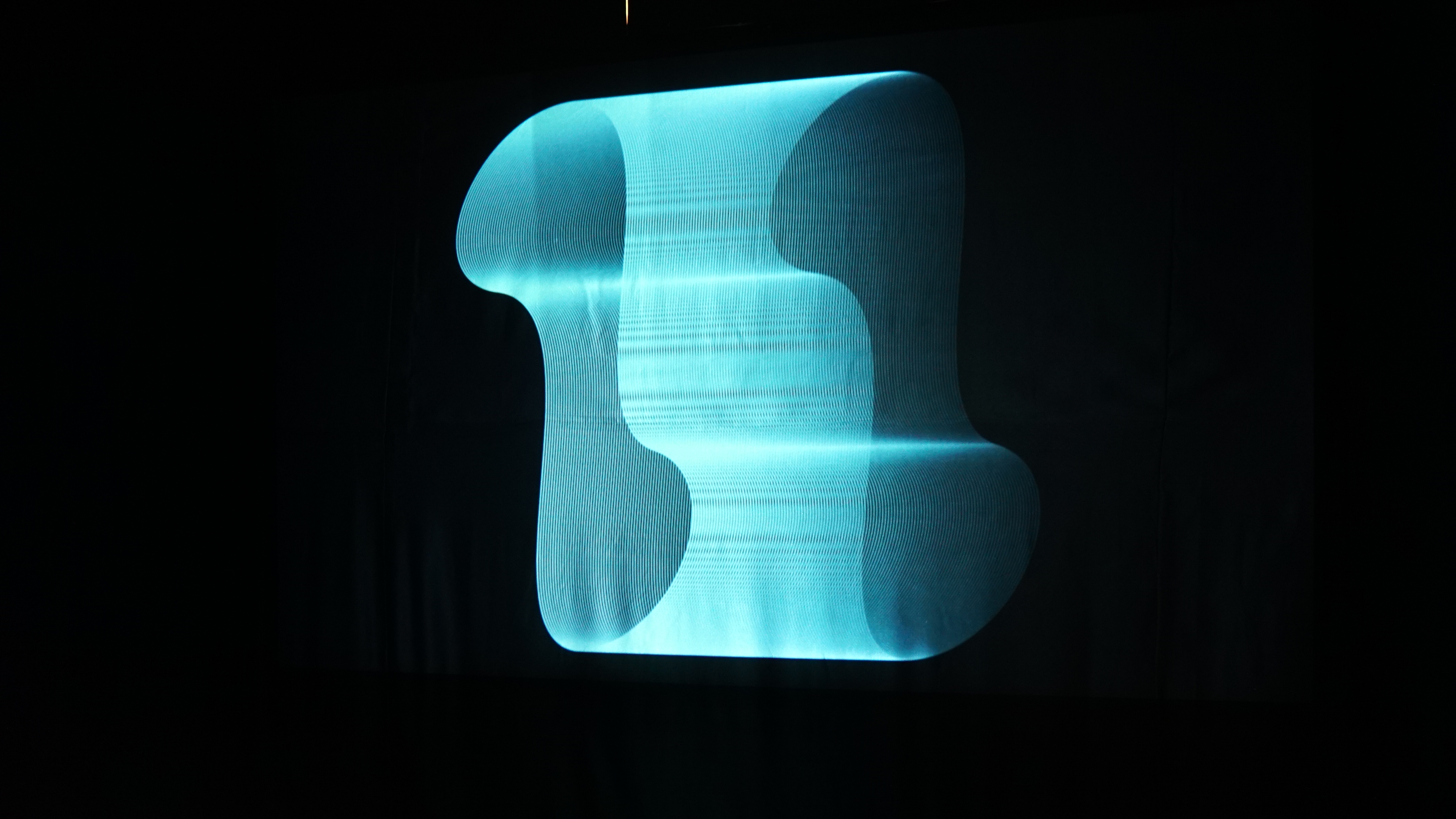
click on images to enlarge
This light that does not touch us, does not travel the whole distance, the light that gets lost, gives us the beauty of the world, so much of which is in the color blue.
The color of that distance is the color of an emotion, the color of solitude and of desire, the color of there seen from here, the color of where you are not. And the color of where you can never go.
- Rebecca Solnit, “The Blue of Distance,” A Fieldguide to Getting Lost
Exhibition Walk-Through
EXHIBITION STATEMENT In her essay, The Blue of Distance, Rebecca Solnit expounds on the very particular shade of blue that we see when looking toward the horizon. Think: mountains as seen from many milesaway across a great, flat desert. However, the mountains are not blue. Mountains are brown orgreen or gray or, most often, all of these at once. The blue we see when looking across great distances is actually a function of light waves being dispersed by molecules of air. The more atmosphere between viewer and object, the deeper this blue will appear. We can never reach this blue, never actually be in its presence. It only exists within the distance of great separation. Perhaps, she posits, we can savor this unattainability; the longing for something rather than the obtaining of the object of that longing; the blue rather than the mountains.
The body of work represented in this show is my attempt to attend to place and time as a means of contending with the disorientation caused by their obscuration by and within capitalism. For each work I developed a relationship to a place, often harvesting a talisman object. Now, I attempt to triangulate myself by transposing that place/time and the iteration of myself that was there/then onto here/now. To do this, I pay attention to the physicality of the talismans. The artist Robert Irwin said, “Every object… has two levels of being. It has its imagery and how we read it, and it has what it actually is physically,” and describes Modernism as a process of removing society’s thought dependence on imagery in favor of reckoning with physicality, including space/environment. By using light, color, and motion to explore objects, this work foregrounds the physicality of both the object and the light, the phenomena of theirinteraction, and our sense experience of it all.
In the face of the extreme and pervasive dehumanization of colonialist capitalism that sustains systemic violence, as evidenced by the ongoing genocide in Gaza, this show is a modest and sincere effort to contend with the grief, rage, and horror of it all, to reaffirm humanity, open space for our minds to take in this reality, what roles we play, to reconnect to our ability to judge the world for ourselves and remember our power to change it.
Deep thanks to RACC for their generous support of this exhibition with an Art3Cs grant.